A preschool schedule template is a simple plan that helps teachers and parents organize a child’s daily activities. Preschool children learn best when they follow a routine because routines make them feel safe, happy, and confident. A good preschool schedule includes time for learning, play, meals, naps, and group activities. It helps children understand what will happen during the day and teaches them important life skills like time management, responsibility, and independence. Preschool is an important stage in a child’s life. During these early years, children develop social, emotional, physical, and thinking skills. A well-planned schedule supports this development by balancing active and quiet activities throughout the day. Preschool schedule templates are useful because they save time and make planning easier for teachers and parents. Instead of creating a new plan every day, a template can be reused and adjusted when needed.
Creating an enjoyable environment and taking care of educational tasks, playtime, rest periods, and meals for young kids is not an easy task. Therefore, creating a well-organized and effective schedule is pivotal for the seamless operations of any preschool. A properly designed preschool schedule allows the teachers to plan a productive and balanced daily routine for the children.
Importance of a Preschool Schedule
One of the biggest benefits of using a preschool schedule template is consistency. Young children feel more comfortable when they know what to expect. For example, if story time always comes after lunch, children quickly learn the routine. This reduces stress and confusion. A regular schedule also helps children behave better because they understand the rules and transitions of the day. When children move smoothly from one activity to another, there are fewer problems and distractions.
Preschool schedule templates can be used in schools, daycare centers, and even at home. Many parents who homeschool their preschool children use schedules to create a learning environment. A home preschool schedule may look different from a classroom schedule, but the goal is the same: to provide structure and support learning. Parents can include simple educational activities, outdoor play, reading time, and rest periods in the daily routine. A well-structured preschool schedule is vital for multiple reasons:
Organization
A well-structured preschool schedule plays a very important role in keeping both teachers and children organized throughout the day. In a preschool classroom, many activities happen daily, such as learning lessons, storytelling, arts and crafts, outdoor play, snack time, and rest periods. Without a proper schedule, the classroom can easily become confusing and stressful for both educators and students. A preschool schedule helps teachers plan every activity in advance, manage time wisely, and make sure that all important tasks are completed smoothly. When teachers know exactly what activity comes next, they can prepare materials ahead of time, reduce delays, and maintain a calm learning environment. This organization also helps children move from one task to another without confusion. Young children may struggle when routines are unclear, so having a fixed plan helps them feel comfortable and focused.
Consistency
Consistency is another major benefit of having a preschool schedule. Young children learn best in environments where they know what to expect. A predictable daily routine helps preschoolers feel safe, secure, and emotionally comfortable. When children follow the same sequence of activities every day, they begin to understand how the day works. For example, if circle time always happens after arrival and snack time always comes before outdoor play, children quickly become familiar with the routine. This familiarity reduces anxiety and helps children adjust more easily to the preschool environment.
A consistent schedule also improves children’s behavior and emotional stability. Preschool children often feel frustrated or upset when sudden changes happen without warning. However, when they know what activity is coming next, they feel more confident and cooperative. Consistency teaches children discipline, patience, and responsibility. They learn when it is time to play, clean up, eat, rest, or participate in group activities.
Development:
A preschool schedule contributes greatly to the overall development of young children by providing a balance between learning, physical activity, creativity, and rest. Preschool years are a critical stage in child development because children grow rapidly in many areas, including social, emotional, physical, and cognitive skills. A well-planned schedule ensures that children participate in activities that support all these developmental areas equally.
Educational activities in the schedule help children improve their language, thinking, and problem-solving skills. Activities such as counting games, alphabet practice, storytelling, puzzles, and drawing encourage learning in fun and engaging ways. Preschool children have short attention spans, so schedules usually include short lessons mixed with hands-on activities to keep them interested and active. This balanced learning approach helps children develop curiosity and a love for education from an early age.
Physical play is also an essential part of preschool development. Outdoor games, dancing, running, climbing, and movement activities help children strengthen their muscles, improve coordination, and stay healthy. Physical activity also supports brain development and helps children release energy in positive ways. A preschool schedule ensures that children have enough active playtime instead of spending the entire day sitting indoors.
Social and emotional development are equally important in preschool schedules. Group activities such as circle time, cooperative games, and shared meals teach children how to communicate, share, take turns, and work with others. These experiences help children build friendships and develop confidence. Children also learn how to express emotions, solve small conflicts, and follow classroom rules.

Key Elements of a Preschool Schedule Template
A properly created preschool schedule template must include these key elements:
Arrival and Departure Time
Arrival and departure times are very important parts of a preschool schedule because they create a smooth beginning and ending for the child’s day. A clear start time helps children settle into the classroom calmly and prepares them mentally for the day ahead. During arrival time, teachers usually greet children warmly, help them store their belongings, and encourage simple morning activities like free play, coloring, or conversation with classmates. This welcoming routine helps children feel comfortable and safe, especially those who may feel nervous when leaving their parents. A consistent arrival routine also teaches children punctuality and responsibility from an early age.
Departure time is equally important because it allows children to end the day peacefully and in an organized manner. Before leaving, teachers may help children pack their belongings, review the day’s activities, and prepare them for going home. A structured departure routine reduces confusion and ensures every child leaves safely with the correct parent or guardian. It also gives teachers an opportunity to briefly communicate with parents about the child’s behavior, learning progress, or special activities completed during the day. Predictable arrival and departure times create stability and help children transition smoothly between home and preschool.
Learning Activities
Learning activities are one of the most essential parts of a preschool schedule because they support children’s social, emotional, and cognitive development. Proper time allocation for educational activities ensures children receive opportunities to learn important skills without becoming tired or overwhelmed. Preschool learning activities usually include alphabet recognition, counting, storytelling, singing, puzzles, drawing, and hands-on projects. These activities are designed to make learning fun and interactive so children remain engaged and excited.
Structured learning sessions also help children improve concentration, memory, and communication skills. Group activities encourage teamwork, listening, and sharing ideas with others, while individual tasks help children build independence and confidence. Preschool children learn best through play-based education, so schedules should include a variety of creative and practical learning experiences. Teachers often keep lessons short and active because young children have limited attention spans. By organizing learning activities carefully throughout the day, educators can create a balanced environment that supports healthy intellectual growth and prepares children for future schooling.
Snack and Break Time
Snack and break times are necessary for keeping preschool children healthy, energetic, and focused throughout the day. Young children are very active and need regular breaks to rest their minds and bodies. Scheduled snack times provide children with healthy food that gives them energy for learning and play activities. Nutritious snacks such as fruits, milk, sandwiches, or crackers help support physical growth and brain development.
Break times are also important for emotional well-being. After completing learning activities, children need opportunities to relax, move around, and socialize freely with classmates. These short breaks prevent children from feeling tired, frustrated, or restless. Snack and break times also teach children valuable social skills, such as sharing, waiting patiently, using polite manners, and cleaning up after themselves. Teachers can use this time to encourage conversation and positive interactions among children. A balanced preschool schedule always includes regular snack and break periods to maintain children’s attention, mood, and overall well-being.
Outdoor Play
Outdoor play is a very important part of preschool education because it supports physical, social, and emotional development. Preschool children naturally enjoy movement and active play, so schedules should include a specific time for outdoor activities every day. Outdoor play may include running, jumping, climbing, ball games, cycling, or playing on playground equipment. These activities help children build strength, balance, coordination, and motor skills while keeping them physically healthy.
In its physical benefits outdoor play also improves social interaction. Children learn how to cooperate, share equipment, follow rules, and solve small conflicts while playing with others. Outdoor environments encourage creativity and imagination because children can explore nature, pretend play, and engage in group games. Fresh air and sunlight also improve mood and reduce stress, making children happier and more active during the school day. A well-planned preschool schedule ensures children have enough outdoor time to stay healthy, energetic, and socially connected.
Rest / Nap Time
Rest or nap time is essential in a preschool schedule because young children need time to relax and recharge their energy. Preschool children are still developing physically and mentally, so busy learning and play activities can make them tired quickly. A quiet rest period after lunch or during the afternoon helps children recover and prepares them for the remaining activities of the day.
During nap time, children may sleep on mats or simply relax quietly with calming music or storybooks. Even children who do not sleep benefit from having quiet time because it helps reduce stress and overstimulation. Proper rest improves mood, attention span, memory, and behavior. Children who get enough rest are more likely to participate positively in learning activities and interact well with classmates. Rest time also supports healthy brain development and emotional balance. Including a regular nap or quiet period in the preschool schedule ensures children remain refreshed, calm, and ready to learn.
Closing Activities
Closing activities are the final part of the preschool day and are important for helping children transition calmly from school to home. Instead of ending the day suddenly, teachers often use quiet and relaxing activities to create a peaceful atmosphere before parents arrive. These activities may include storytelling, singing soft songs, discussing what children learned during the day, or simple group conversations.
Closing activities help children reflect on their experiences and feel emotionally settled before leaving the classroom. They also reinforce learning by reviewing important lessons or achievements from the day. Calm ending routines reduce excitement and confusion during pickup time, making departures smoother for both teachers and parents. Additionally, these activities provide children with a sense of completion and routine, which helps them feel secure and organized. A thoughtful closing routine leaves children with positive feelings about preschool and encourages them to look forward to returning the next day.


Benefits of Using Preschool Schedule Templates
Preschool schedules offer multiple benefits and here are some of the key benefits:
Time Efficient
Schedule templates provide ready-made structures that teachers can easily adjust to fit their needs, such as daily lesson timing, activity breaks, play-based learning sessions, and assessment periods. This saves significant planning time and ensures better organization of classroom routines. As a result, teachers can focus more on interacting with children, supporting their learning, and managing classroom engagement instead of spending long hours creating schedules from scratch.
Consistency and Routine
These templates bring consistency to each day and help prevent the confusion of juggling multiple activities for children by clearly organizing learning, play, and rest periods. For young kids, a stable and predictable routine is essential, as it helps them feel safe, relaxed, and confident in navigating their daily activities. This structure also supports better behavior, smoother transitions between tasks, and improved focus, creating a more positive and productive learning environment.
Comprehensive Planning
Preschool schedule templates include all the important parts of a child’s daily routine, such as learning activities, circle time, playtime, snack breaks, outdoor activities, and nap time. These templates help teachers organize the entire day properly and ensure that every essential activity gets enough time and attention. By following a structured schedule, educators can maintain a balanced routine that supports children’s learning, development, rest, and fun without overlooking any important task or activity.
Easy Customization
One of the best features of preschool schedule templates is their easy customization. Teachers can quickly adjust activities, timings, and routines according to the needs of their classroom and students. Since every preschool class is different, customizable templates help educators create schedules that match children’s learning styles, energy levels, and interests. Teachers can add extra playtime, learning sessions, art activities, or rest periods whenever needed. These templates also make it easy to include special events, seasonal themes, or classroom projects without disturbing the overall routine. Digital schedule templates further simplify the process by allowing teachers to edit and update schedules quickly. This flexibility saves time, improves classroom organization, and helps create a learning environment that is comfortable, engaging, and suitable for every child.
Practical Uses of Preschool Schedule Templates
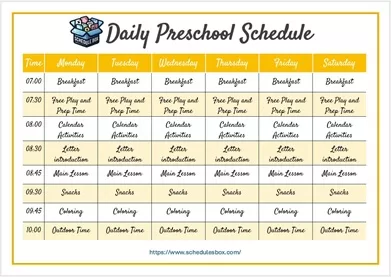
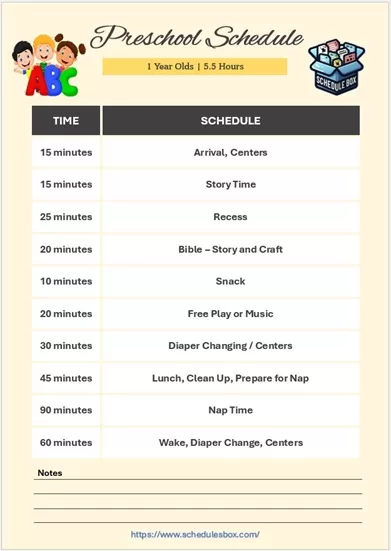
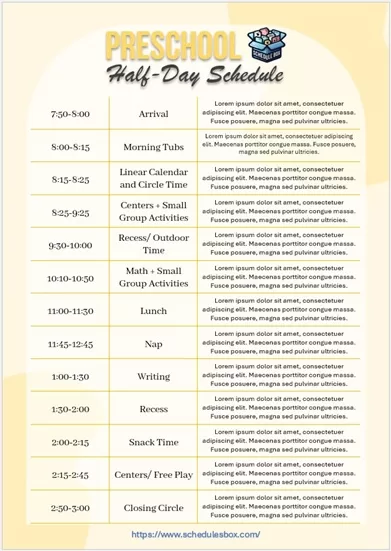
There are many different types of preschool schedule templates. Some are hourly schedules that show exact times for every activity. Others are flexible schedules that focus more on the order of activities instead of strict timing. The choice depends on the needs of the children and the teaching style. Some teachers prefer detailed schedules, while others like to leave extra room for creativity and changes. Beyond just planning a preschool daily activity, these schedule templates are helpful in several ways:
Classroom Management
Classroom management is one of the most important responsibilities of preschool teachers, and a well-structured preschool schedule plays a major role in helping educators manage their classrooms effectively. Preschool classrooms are naturally active and energetic because young children are still learning how to follow instructions, interact with others, and manage their emotions. Without a proper schedule, the classroom environment can quickly become disorganized and stressful for both teachers and children. A preschool schedule provides a clear structure for the day, allowing teachers to plan activities in an organized manner and make sure every part of the day runs smoothly.
Behavior Management
Behavior management is one of the key advantages of having a well-structured preschool schedule. Young children often behave better when they know what to expect during the day. A predictable routine creates a sense of security and comfort because children understand when it is time to learn, play, eat, rest, and go home. When daily activities follow a regular pattern, children feel less confused and anxious, which naturally reduces negative behavior such as tantrums, restlessness, or frustration.
Preschool schedules also help children understand clear expectations. For example, children learn that after playtime they must clean up toys, or after snack time they will move to story time. Repeating these routines every day teaches responsibility, discipline, and self-control. Over time, children begin to follow instructions independently because they become familiar with the structure of the day. This consistency makes classroom management easier for teachers and creates a calmer learning environment.
Parental Communication
Parental communication is an important benefit of using preschool schedules because it helps build a strong connection between teachers and families. A well-planned preschool schedule allows teachers to clearly inform parents about their child’s daily routine, including learning activities, meal times, nap schedules, outdoor play, and special classroom events. When parents understand how their child spends the day at preschool, they feel more involved and confident about their child’s education and care. This transparency creates trust between parents and teachers, which is essential for a positive preschool experience.
Preschool schedules also make communication more organized and effective. Teachers can share daily or weekly schedules with parents through printed charts, emails, mobile apps, or classroom notice boards. This helps parents prepare children for upcoming activities, dress them appropriately for outdoor play, or support classroom learning at home. For example, if parents know the preschool is focusing on colors, numbers, or a specific theme like animals or seasons, they can continue related conversations and activities at home. This connection between school and home strengthens a child’s learning experience.
Resource Allocation
A well-organized schedule simplifies the planning process and allocating resources, like staff and materials to ensure activities run without disruption.
Having a proper and carefully crafted preschool schedule is essential for educators and parents. With the help of it, you can develop a balanced learning environment for the children, making sure they don’t get bored or stressed and keep themselves engaged in a consistent mix of activities throughout the day. Therefore, to elevate your preschool program effectively, start using a preschool schedule template today.
